
TeachersFirst Collection: SDGs Clean Water
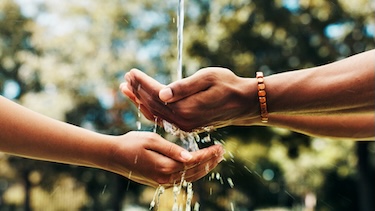
Access to clean water and sanitation is a basic human right, yet millions of people worldwide still lack it, making this one of the most urgent issues addressed by the United Nations Sustainable Development Goals. This collection brings together resources that help students explore the global water crisis, from the science of water scarcity and pollution to the social and economic impacts on communities worldwide. You'll find lesson plans, data visualizations, videos, and project ideas that connect SDG 6 (Clean Water and Sanitation) to real-world problem-solving and global citizenship. Use these resources to empower students to understand this critical challenge and consider the role they can play in building a more sustainable, equitable future.
35 Results | sort by:
Water Footprint Calculator - EcoRise
Grades
4 to 12
tag(s): environment (249), calculators (38), water (103), conservation (110)
In the Classroom
Ask students to take the quiz individually as homework, then bring their footprint number to class to discuss their results. Use this information to lead into lessons on water hidden in food, energy, and goods, not just what comes out of the tap. Turn this information into real-world graphing and data activities. Have students collect individual results and calculate the mean, median, and mode for your classroom; if possible, share and compare results with another class. Use a graph creation tool like Visualize Free, reviewed here, to create bar charts comparing footprint categories (diet vs. energy vs. household) across the class. After gathering all of your results, use Infogram, reviewed here to create an infographic that shares the results of your findings from the Water Footprint Calculator.You must be registered and logged in to add items to your favorites.
Use the form at the top of the page to log in, or click here to join TeachersFirst (it's free!).
Reading Treks: A Long Walk to Water - TeachersFirst
Grades
5 to 8This Reading Trek includes interactive maps-available as both a Google My Maps link and a downloadable Google Earth (KMZ) file- that trace the characters' journeys and key locations from the story. There is also a downloadable teacher guide (PDF) to support classroom instruction and discussion.
tag(s): Reading Treks (62), water (103), africa (163)
In the Classroom
Bring the story to life by having students trace Salva and Nya's journeys using the interactive Google My Maps or Google Earth file to help them visualize the vast distances traveled and Sudan's geography. As they explore each location, students can pause to research the historical and cultural context -- connecting the novel's dual timelines to the actual Sudanese Civil War and ongoing water access issues. The teacher guide's discussion questions and activities pair well with this map exploration, whether used for whole-class discussion, literature circles, or independent research projects on themes of resilience, survival, and access to clean water.Add your comments below (available only to members) | Become a Member
You must be registered and logged in to add items to your favorites.
Use the form at the top of the page to log in, or click here to join TeachersFirst (it's free!).
1000+ Science Fair Projects with Videos for All Grades - All Science Fair Projects
Grades
K to 12This site includes advertising.
tag(s): electricity (62), light (61), forces (54), recycling (51), water (103), animals (280), plants (141), soil (16), body systems (47), air (26), snow (24), magnetism (40), acids and bases (8), solar system (126), rocks (42), STEM (393), science fairs (22)
In the Classroom
Students can complete the projects that are on the site and record their project using Adobe Express Video Maker, reviewed here. Use Google Keep, reviewed here to keep notes as they are completing their science project. Students can use Timeline Infographic Templates by Canva, reviewed here to write a step-by-step guide to complete the science project.Add your comments below (available only to members) | Become a Member
You must be registered and logged in to add items to your favorites.
Use the form at the top of the page to log in, or click here to join TeachersFirst (it's free!).
Great Lakes Now: Collection 4 - Great Lakes Now
Grades
5 to 8tag(s): climate change (115), reefs (8), solar energy (35), water (103)
In the Classroom
Students can engage with the lessons presented in Collection 4 and further their learning by participating in lessons from the other Collections offered. Students can create a public service announcement using Adobe Podcast reviewed here sharing everything that they have learned about the Great Lakes. Students can present the information learned by creating a book in Book Creator reviewed here or using Google Slides.Add your comments below (available only to members) | Become a Member
You must be registered and logged in to add items to your favorites.
Use the form at the top of the page to log in, or click here to join TeachersFirst (it's free!).
NASA Kids Science - NASA
Grades
3 to 8tag(s): STEM (393), water (103), solar system (126), sun (85), weather (170), atmosphere (25), oceans (142), climate (100), earth (184), carbon footprint (8)
In the Classroom
Use this site to spark curiosity during an introductory unit on astronomy or environmental science. Assign specific articles or videos to different student groups to foster expertise on various celestial bodies or climate phenomena. After students explore their chosen topic, have them watch a relevant clip from the site and use Magic School, reviewed here, to generate a series of interactive video questions that check for understanding and spark critical thinking. To engage the entire class and assess comprehension further, launch a competitive review session using Blooket, reviewed here, featuring questions based on the site's articles and games. This approach enhances the learning experience by transforming passive reading into active creation and collaborative competition, extending the lesson beyond the information on the website.Add your comments below (available only to members) | Become a Member
You must be registered and logged in to add items to your favorites.
Use the form at the top of the page to log in, or click here to join TeachersFirst (it's free!).
WaterSense for Kids - United States Environmental Protection Agency
Grades
K to 6tag(s): conservation (110), water (103)
In the Classroom
Students can complete the activities and games posted on the site. Students can create presentations to teach ways to conserve water using Google Slides, reviewed here. Students can create comics to teach about water conservation using Free Comic Strip Maker by Adobe, reviewed here.Add your comments below (available only to members) | Become a Member
You must be registered and logged in to add items to your favorites.
Use the form at the top of the page to log in, or click here to join TeachersFirst (it's free!).
FieldScope - BSCS Science Learning
Grades
4 to 12tag(s): habitats (112), water (103), weather (170), climate (100), charts and graphs (183), map skills (68), data (218), biodiversity (45), citizen science (44)
In the Classroom
Take students outside to collect real-world data such as weather conditions, plant types, or signs of pollution. Students can upload their observations into FieldScope and see their data appear on a shared map. Have students choose a topic such as water quality, biodiversity, or local habitats and use FieldScope to collect and analyze data. Students can use the platform's tools to create graphs or charts from collected data. They can interpret the data and explain what it shows, integrating math and science skills.Add your comments below (available only to members) | Become a Member
You must be registered and logged in to add items to your favorites.
Use the form at the top of the page to log in, or click here to join TeachersFirst (it's free!).
American Experience: The Natural Environment - PBS LearningMedia
Grades
6 to 12tag(s): water (103), environment (249), california (18), roosevelt (15), earth day (68)
In the Classroom
After viewing a clip about Rachel Carson, students can create an informational poster using Canva Infographic Creator, reviewed here or digital slides using Google Slides, reviewed here highlighting her contributions, the environmental movement she inspired, and modern parallels. Students are assigned roles (ex., conservationist, industrialist, community member) to debate an environmental policy decision from one of the featured stories. Inspired by historical environmental activism, students can create a podcast, using Buzzsprout, reviewed here or Spotify for Podcasters, reviewed here addressing a current environmental issue in their community or globally.Add your comments below (available only to members) | Become a Member
You must be registered and logged in to add items to your favorites.
Use the form at the top of the page to log in, or click here to join TeachersFirst (it's free!).
Distribution and Water Use - PBS LearningMedia
Grades
3 to 6In the Classroom
Students can compare and contrast water usage in the world with another country using Figjam reviewed here. Students can use Padlet reviewed here to post questions, comments, and wonderings. Students can use Google Drawings reviewed here to create maps and graphs of water usage.Add your comments below (available only to members) | Become a Member
You must be registered and logged in to add items to your favorites.
Use the form at the top of the page to log in, or click here to join TeachersFirst (it's free!).
Science For A Changing World - USGS
Grades
K to 12tag(s): geology (59), ecosystems (117), natural disasters (20), climate change (115), maps (220), map skills (68), earthquakes (51), volcanoes (60), landforms (37), STEM (393)
In the Classroom
Students can explore USGS topographic maps and identify major landforms. Have them use clay or papier-mache to create 3D models of mountains, valleys, or river systems. Use USGS Water Science School to learn about watersheds, groundwater, and precipitation and have students create a mini water cycle model using plastic containers, water, and a heat source. The water cycle can be built on Scratch, reviewed here or Tinkercad, reviewed here to incorporate technology in the classroom. Assign students a natural disaster (earthquake, flood, landslide, volcano) and use USGS hazard data to have students develop an emergency plan for a specific city or region.Add your comments below (available only to members) | Become a Member
You must be registered and logged in to add items to your favorites.
Use the form at the top of the page to log in, or click here to join TeachersFirst (it's free!).
Collection 1 - An Exploration of the Great Lakes - Great Lakes Now
Grades
5 to 8In the Classroom
Students engage in the lessons presented in Collection 1 and further their learning by engaging in lessons in the other Collections offered. Students can create a 3-D diorama of the Great Lakes water level and/or the Great Lakes in general. Finally, students can present the information learned by creating a book in Book Creator, reviewed here or by creating a presentation using Google Slides, reviewed here .Add your comments below (available only to members) | Become a Member
You must be registered and logged in to add items to your favorites.
Use the form at the top of the page to log in, or click here to join TeachersFirst (it's free!).
Service Learning Action Guides & Lesson Plans - EarthEcho International
Grades
5 to 12tag(s): pollution (59), water (103), watersheds (11), citizen science (44)
In the Classroom
Share the illustrated books with students as a class read-aloud, or share the link with students to read independently. Each book includes discussion questions; add these to a Google Form, reviewed here to assess understanding or create a Google Slides, reviewed hereAdd your comments below (available only to members) | Become a Member
You must be registered and logged in to add items to your favorites.
Use the form at the top of the page to log in, or click here to join TeachersFirst (it's free!).
Water, Water Everywhere - Looking at Clean Accessible for All People - TeachersFirst
Grades
K to 12tag(s): help article (63), water (103), sustainability (61), pollution (59)
In the Classroom
Include books from this list on your recommended books list to share with students. Engage students further by completing the activity about walking with a water container on their heads. Use Padlet, reviewed here to have students relate how it felt to balance and carry the water and how they could make getting water easier for the community. This is a link to Padlet's Help section for posting video or an image. Ask students to listen to and comment on other classmates' descriptions and ideas. Possibly work with the physical education teacher to teach students how to balance a jug on their head and walk at the same time.Add your comments below (available only to members) | Become a Member
You must be registered and logged in to add items to your favorites.
Use the form at the top of the page to log in, or click here to join TeachersFirst (it's free!).
25 Subject-Integrated Citizen Science Project Ideas for Students of All Ages - Eperiential Learning Depot
Grades
K to 12This site includes advertising.
tag(s): citizen science (44), insects (64), birds (47), STEM (393), habitats (112), plants (141), climate (100), water (103), migration (44), butterflies (13)
In the Classroom
Browse through this list of citizen science projects to find classroom science projects, then work together to choose the project that interests your students. Consider using FigJam, reviewed here, as a starting point to engage students and share information about potential projects. For example, create a Jamboard slide for each possible project, add important information, then ask students to add sticky notes with their ideas. After choosing a project, work together to make science journals that detail your work. Gather and share data using an easy chart-creation tool like Livegap Charts, reviewed here, as you analyze information. Use the tools found at Canva for Education, reviewed here, to share your results with timelines, infographics, and posters.Add your comments below (available only to members) | Become a Member
You must be registered and logged in to add items to your favorites.
Use the form at the top of the page to log in, or click here to join TeachersFirst (it's free!).
World's Largest Lesson - Project Everyone
Grades
K to 12tag(s): social justice (45), substitutes (33), sustainability (61), environment (249), inequalities (27), STEM (393), energy (135), maps (220), cross cultural understanding (168), earth (184), engineering (138)
In the Classroom
Discover the many free educational resources found on this site to include in your lessons about global cultures, the environment, health, and technology. Use the activities and lessons found on the World's Largest Lesson to engage students in understanding and processing information related to serious global issues. Have students use a collaborative whiteboard tool such as FigJam, reviewed here, to brainstorm solutions to problems using the sticky note feature or to create mind maps and flow charts to organize further research. Enhance learning by asking students to create an interactive, choose-your-own-adventure story using StoryLab, reviewed here. Ask students to use information learned from their lessons to create a story that tells what happens if the Earth continues on its current course vs. what happens when suggested changes are implemented.Add your comments below (available only to members) | Become a Member
You must be registered and logged in to add items to your favorites.
Use the form at the top of the page to log in, or click here to join TeachersFirst (it's free!).
Exploring by the Seat of Your Pants - Joe Grabowski
Grades
6 to 12tag(s): water (103), animals (280), animal homes (55), oceans (142), space (248), explorers (65), ecology (112), conservation (110), virtual field trips (154), STEM (393)
In the Classroom
Use these free sessions to bring real-world conservation and science lessons to your students. There are three ways for your class to enjoy the sessions. The first one is to "Tune in live! Any number of classrooms can watch the events live on YouTube and even send in some questions using the chat sidebar." The second one is "Grab a camera spot so your class can appear on the screen and interact with the speaker. We generally have 5-7 classrooms joining in this way each hangout." The third viewing choice is "Every hangout is recorded directly to YouTube; we have a growing library of past events that can be viewed by classrooms anytime on our channel." See more explanations to the viewing options by clicking the wavy red lines in the upper left corner and then click For Teachers. Begin by watching virtual field trips (viewing option 3), then expand your activities in additional sessions by signing up to participate and interact with the presenters. Prepare for student questioning by brainstorming ideas. Engage students by sharing ideas using an online bulletin board tool like Pinside, reviewed here. Save and share ideas on your class website. As students research information for your upcoming topic, enhance learning by using a collaborative bookmarking tool like Raindrop.io, reviewed here, for all students to share websites with their peers and add comments. Prepare your students further for interactions with researchers by watching videos from previous broadcasts using PlayPosit, reviewed here, to add questions for students into the YouTube videos and encourage students to add comments discussing each issue. Most of the online tools suggested above will help students document their learning during remote or distance learning sessions.Add your comments below (available only to members) | Become a Member
You must be registered and logged in to add items to your favorites.
Use the form at the top of the page to log in, or click here to join TeachersFirst (it's free!).
Your Plan, Your Planet - Google/California Academy of Sciences
Grades
2 to 12tag(s): energy (135), recycling (51), environment (249), water (103)
In the Classroom
Share this site with your class on a projector or an interactive whiteboard to learn about ways to save water, food, and energy in your school then have students explore on their own. As you and your students learn about ways to positively impact the environment, ask them to create infographics sharing statistics and vital information using a tool like Canva, reviewed here, as an alternative to a written research paper. Have older students create video explainers using Clipchamp, reviewed here, to share with younger students and teach them about environmental awareness. Instead of oral reports sharing student research, consider enhancing student understanding by having them create an ongoing podcast to share with your school community. Include tips for reducing food and energy waste at school, and share success stories from different classes. Buzzsprout, reviewed here is a free tool for uploading and sharing podcasts.Add your comments below (available only to members) | Become a Member
You must be registered and logged in to add items to your favorites.
Use the form at the top of the page to log in, or click here to join TeachersFirst (it's free!).
Aquation: The Freshwater Access Game - Smithsonian Science Education Center
Grades
7 to 12tag(s): weather (170), conservation (110), recycling (51), water (103), DAT device agnostic tool (134), game based learning (220)
In the Classroom
Include this activity with any unit on the environment, water cycles, or weather. Extend this activity further to learn more about water conservation in your community. Ask students to take pictures around the school or at home that show inefficient water use. Use PhotoCollage, reviewed here, and have students create a collage of their images to use as a starting point for research. Ask students to enhance their learning by uploading their collage to a blog and writing, analyzing, and sharing ideas for water conservation based on their collage. Use a blog tool such as Edublogs, reviewed here. Use Nearpod, reviewed here, to create a differentiated learning experience for your students for your entire unit. Add videos, quizzes, embed this game, and include all the information students need to follow. Nearpod offers differentiation options to support students' varying interests and ability levels. Ask older students to deepen their learning by creating their own Learning Path, which will let them demonstrate and share their learning throughout the unit.Add your comments below (available only to members) | Become a Member
You must be registered and logged in to add items to your favorites.
Use the form at the top of the page to log in, or click here to join TeachersFirst (it's free!).
U.S. Environmental Protection Agency - Environmental Protection Agency
Grades
7 to 12tag(s): pollution (59), water (103), recycling (51), chemicals (37), environment (249)
In the Classroom
Bookmark this site to include with units on the environment and current events. Ask students to use the site's search tools to find local environmental issues and concerns. Encourage students to use a tool like Diigo, reviewed here, to keep track and highlight the important information they find. Upon completion of research, have students create infographics using a tool like Canva, reviewed here, to share the facts they find. Canva is easy to use and provides many templates for creating infographics. Ask students to create a podcast featuring information about the environment, along with suggestions for addressing environmental concerns. Podbean, reviewed here, is a free tool for publishing audio and video podcasts.Add your comments below (available only to members) | Become a Member
You must be registered and logged in to add items to your favorites.
Use the form at the top of the page to log in, or click here to join TeachersFirst (it's free!).
Every Last Drop - Nice and Serious
Grades
3 to 9tag(s): environment (249), earth day (68), conservation (110), water (103)
In the Classroom
Use this site as a perfect addition to Earth Day activities. Watch together and brainstorm ideas for saving water at school and at home. Have students brainstorm ideas on a collaborative bulletin board like Scrumblr, reviewed here (quick start- no membership required!). Challenge cooperative learning groups to create videos demonstrating ways to conserve water and share them on a site such as TeacherTube, reviewed here. Toward the end of this presentation, it is stated that over 1 billion earthlings have no access to clean water. Research countries and communities without access to clean water to understand why and what is being done to help. Students' findings could be turned into a very clever digital storytelling project using Visme, reviewed here. Visme allows for narration.Add your comments below (available only to members) | Become a Member
You must be registered and logged in to add items to your favorites.
Use the form at the top of the page to log in, or click here to join TeachersFirst (it's free!).
Add your comments below (available only to members) | Become a Member
Close comment form