
TeachersFirst's Resources Related to Empathy
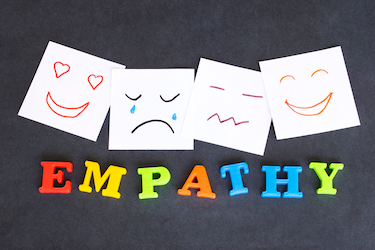
Empathy is our desire and ability to understand and share another person’s feelings and use that information to guide our actions. It’s the foundation of respect and inclusivity and is an essential component of relationship building, resolving interpersonal conflicts, and understanding cause and effect. In this collection, we share resources that will help you create lessons and experiences that cultivate empathy in your students and informational websites about this important topic.
18 Results | sort by:
The Nora Project Resources for Educators - The Nora Project
Grades
K to 12
tag(s): aspergers (7), autism (13), character education (76), disabilities (29), diversity (38), empathy (26), social and emotional learning (81), Special Needs (53)
In the Classroom
Bookmark The Nora Project to include resources for teaching and learning about disabilities and inclusion in your teacher toolbox. Consider curating your resources using Wakelet, reviewed here, into one easy to find collection. Add your peers as collaborators to your Wakelet collection as you continue to find and build additional resources. Ask older students to create infographics and posters to teach others about inclusiveness using Genially, reviewed here. Add links, images, and videos within your Genially projects to create interactive content. Use WriteReader, reviewed here, with younger students to create and share interactive books telling the story of inclusiveness. WriteReader is an excellent tool for creating books with emerging writers as it offers the option to show student writing along with the correct spelling underneath.You must be registered and logged in to add items to your favorites.
Use the form at the top of the page to log in, or click here to join TeachersFirst (it's free!).
Whiteness Project: Millenials in Dallas, Texas - Whitney Dow
Grades
9 to 12tag(s): character education (76), civil rights (194), cross cultural understanding (157), cultures (132), difficult conversations (58), empathy (26), racism (76)
In the Classroom
The Whiteness Project provides a unique and interesting resource for introducing and discussing difficult topics in the classroom, including racism, prejudice, bias, and empathy. Share this site with students and provide them time to listen to some of the conversations and the provided statistics. Encourage students to choose one statistic as a starting point for additional research. For example, one piece of data shared is the number of adults who have two or more races in their background. This provides a starting point for researching race in your community, state, or in the country. As students complete research, ask them to share their findings in a multimedia presentation using a tool like Sway, reviewed here, to add graphs, charts, images, and video that support their findings.Add your comments below (available only to members) | Become a Member
You must be registered and logged in to add items to your favorites.
Use the form at the top of the page to log in, or click here to join TeachersFirst (it's free!).
Spent - Urban Ministries of Durham
Grades
8 to 12tag(s): character education (76), difficult conversations (58), empathy (26), financial literacy (92)
In the Classroom
Include Spent as a learning resource to use with your lessons on empathy or difficult conversations. Ask students to spend time playing Spent as a way to explore how choices they make affect their living situation. Enhance learning by asking students to take a screen recording of a difficult choice they make while playing Spent and discuss their thinking behind the option chosen. Use ScreenPal (was Screencast-o-matic), reviewed here, to record and share student's recordings. If you teach older high school students, use Spent to introduce a research unit into understanding poverty in your community. Have students share their learning using multimedia presentation tools like Adobe Creative Cloud Express for Education, reviewed here, or Visme, reviewed here.Add your comments below (available only to members) | Become a Member
You must be registered and logged in to add items to your favorites.
Use the form at the top of the page to log in, or click here to join TeachersFirst (it's free!).
Making it Meaningful: Interrupting Biased Comments in the Classroom - Rosalind Wiseman
Grades
K to 12tag(s): bullying (49), character education (76), difficult conversations (58), empathy (26), identity (28), racism (76)
In the Classroom
All classrooms face difficult conversations at some point; bookmark this article to use as inspiration on how to address those moments and help students understand and develop empathy for others. Even if you don't have time for an extended lesson, encourage students to think beyond the moment by creating a Padlet, reviewed here, that curates and shares resources based upon your conversation. For example, one topic discussed in the article is "bonding" teasing and "annoying" teasing. Ask students to share examples of teasing in a Padlet that has columns for each form discussed. Use Flip, reviewed here, as a platform for discussing difficult moments and ask students to share ways to handle biased or insensitive comments.Add your comments below (available only to members) | Become a Member
You must be registered and logged in to add items to your favorites.
Use the form at the top of the page to log in, or click here to join TeachersFirst (it's free!).
What is Empathy? - Learning for Justice (Tolerance.org)
Grades
2 to 6tag(s): bullying (49), character education (76), empathy (26)
In the Classroom
Include this lesson and others found at Tolerance.org as part of your teaching the character trait of empathy. Engage students as you gather responses to questions using Google Jamboard, reviewed here. Post a question onto your Jamboard, then share the link with students and ask them to add sticky notes onto the board with their response. Have students return to the Jamboard throughout your activities to modify or add additional responses. Use the extension activities to encourage students to produce and create scenarios that teach younger students about empathy. Have students use the tools found at Adobe Creative Cloud Express for Education reviewed here, to create multimedia presentations, flyers, and engaging web pages to share.Add your comments below (available only to members) | Become a Member
You must be registered and logged in to add items to your favorites.
Use the form at the top of the page to log in, or click here to join TeachersFirst (it's free!).
Developing Empathy - Learning for Justice (Tolerance.org)
Grades
5 to 9tag(s): bullying (49), character education (76), empathy (26)
In the Classroom
Include this lesson with others as you teach the character trait of empathy and incorporate these ideas into lessons about bullying and bias. As you begin your lesson with the essential questions, use a digital question response site such as Answer Garden, reviewed here, to share student responses. This site offers the opportunity to look at the entire class's responses while still allowing students to provide anonymous thoughts. Take advantage of the suggested extension activities to allow students to use their creativity to share their understanding of empathy in various ways. Some tool suggestions for the extension activities are to create comics using ToonyTool, reviewed here, share videos created with Powtoon, reviewed here, or publish podcasts using Buzzsprout, reviewed here.Add your comments below (available only to members) | Become a Member
You must be registered and logged in to add items to your favorites.
Use the form at the top of the page to log in, or click here to join TeachersFirst (it's free!).
Start Empathy Toolkit - Ashoka
Grades
K to 12tag(s): emotions (47), racism (76), social and emotional learning (81)
In the Classroom
Include lessons and materials found on this site within your classroom to develop empathy and community. Engage students in your activities by creating word clouds of words that promote empathy and understanding using a word cloud creation tool such as WordClouds, reviewed here. Develop those words even further by using Answer Garden, reviewed here, as an anonymous answer response tool. For example, one activity focuses on Appreciating Those Behind the Scenes. Create an Answer Garden poll for students to share specific ideas on those that help behind the scenes and ways to express appreciation for their work. Extend student learning by asking them to create and share ways for others to demonstrate empathy. Provide options for students to create videos using Adobe Creative Cloud Express Video Maker, reviewed here, design digital books using Book Creator, reviewed here, or write a poem using the Poem Generator, reviewed here.Add your comments below (available only to members) | Become a Member
You must be registered and logged in to add items to your favorites.
Use the form at the top of the page to log in, or click here to join TeachersFirst (it's free!).
Activities for Teaching the 3 Kinds of Empathy - Samantha Du Preez
Grades
K to 12tag(s): character education (76), emotions (47), social and emotional learning (81)
In the Classroom
Use this article to show students how to develop empathy for others and provide appropriate emotional support to those in need. Engage students in learning about the different forms of empathy by creating mind maps using a creation tool such as Whimsical Mind Maps, reviewed here, to provide a visual representation of how to support others in distress. If you teach younger students, help them understand emotions by creating word clouds at WordClouds, reviewed here, using words provided by students that describe feelings. Extend learning further by creating a Padlet, reviewed here, divided into three columns representing each form of empathy. Ask students to share ideas on recognizing the different forms and methods for showing compassion towards others.Add your comments below (available only to members) | Become a Member
You must be registered and logged in to add items to your favorites.
Use the form at the top of the page to log in, or click here to join TeachersFirst (it's free!).
Developing Empathy - Equality and Human Rights Comission
Grades
8 to 12tag(s): character education (76), emotions (47), social and emotional learning (81)
In the Classroom
Include this lesson with others as part of character education and empathy activities. The starter activity includes students sharing a time they experienced different feelings. Use AnswerGarden, reviewed here, to post each question and ask students to share their response. This allows students to answer anonymously while still creating a visual word cloud with responses. Copy the embed code to include each of the word clouds on your class website or share using your AnswerGarden poll's link. Include all of the polls within one collaborative Wakelet collection, reviewed here, that includes students' responses to the other lesson activities including written reflections, analysis of your school's bullying policy, and discussions of how to recognize and encourage empathy in others.Add your comments below (available only to members) | Become a Member
You must be registered and logged in to add items to your favorites.
Use the form at the top of the page to log in, or click here to join TeachersFirst (it's free!).
Be Fearless Be Kind - Hasbro Children's Fund
Grades
K to 5tag(s): bullying (49), conflict resolution (9), emotions (47), empathy (26), problem solving (226), school violence (10), social and emotional learning (81), social skills (22)
In the Classroom
Be sure to investigate the abundance of resources and information shared in this free toolkit for use in classroom lessons on social and leadership skills, empathy, and problem-solving. Several portions in the booklet include scenarios and questions for discussions. Extend student learning by challenging student groups to create weekly podcasts addressing common social issues along with suggestions for dealing with them. PodcastGenerator, reviewed here, offers free tools for podcasting. Use the resources and suggestions with character education activities throughout the year. Share ideas from this site with parents to use at home with their children. Create a class (or school) bulletin board with examples of students demonstrating empathy.Add your comments below (available only to members) | Become a Member
You must be registered and logged in to add items to your favorites.
Use the form at the top of the page to log in, or click here to join TeachersFirst (it's free!).
Teaching with Testimony - Discovery Education and USC Shoah Foundation
Grades
6 to 12tag(s): character education (76), civil rights (194), emotions (47), empathy (26), holocaust (41), immigration (64), social and emotional learning (81)
In the Classroom
Be sure to view these free materials to use as a supplement to your current social studies lessons and character education activities, including empathy. These materials also are an excellent way to demonstrate the use of primary sources as a learning tool. As you build supplemental materials to include with these activities, use Padlet, reviewed here, for you and your students to curate online information instead of sharing a list of links. Use Padlet's shelf option to organize your resources by topic. For example, divide your Padlet into sections for biographies, videos, newspapers, and books related to the resource studied. Enhance learning when sharing online articles for students to view together by using Fiskkit, reviewed here, as a collaborative study tool. Fiskkit offers the ability to collaborate by adding highlights, tags and comments on information, and to label information as true or false. As a final project and to extend learning, ask students to use Adobe Creative Cloud Express for Education, reviewed here, to share their projects demonstrating their inspiration for the future. Adobe Express offers a variety of creation tools, making it easy to provide options for students to choose how to share their learning. Provide students the option to create a video, build a webpage, or create a series of custom graphics as part of a multimedia presentation.Add your comments below (available only to members) | Become a Member
You must be registered and logged in to add items to your favorites.
Use the form at the top of the page to log in, or click here to join TeachersFirst (it's free!).
Reading Treks: Every Single Second - TeachersFirst
Grades
4 to 8tag(s): character education (76), empathy (26), family (53), racism (76), virtual field trips (79)
In the Classroom
Take advantage of the many suggested classroom uses for this resource found on the Instructional Guide (PDF). Include this Reading Trek as part of lessons in empathy, racism, and character traits. Consider using content from the book as an inspiration to have students create a timeline of their friends. Find a variety of free online timeline creation tools located here. Using the map and locales, trace and then calculate distances for some Little Italy locations. Use Google My Maps, reviewed here to create and share custom maps.Add your comments below (available only to members) | Become a Member
You must be registered and logged in to add items to your favorites.
Use the form at the top of the page to log in, or click here to join TeachersFirst (it's free!).
Global Youth Perspectives - Global Oneness Project
Grades
K to 12tag(s): africa (137), alaska (20), anthropology (9), cross cultural understanding (157), cultures (132), empathy (26), india (25), middle east (43), native americans (91), Project Based Learning (25), psychology (67), scotland (7), south africa (11), south america (36), sustainability (44)
In the Classroom
Utilize these free lesson ideas and videos to incorporate into any lessons on tolerance, empathy, culture, and to bring a personal touch to learning about nations around the world. Consider using the embed code found in each video and add the video to your class website for students to view at home before your lesson. Ask students to provide a short response to the video on an online bulletin board like Pinside, reviewed here, then use these responses to guide your lesson. The following ideas lend themselves to using this resource for project-based learning or blended learning: At the start of students' ongoing research, share How to Research: Ultimate Guide, reviewed here. Enhance learning by using information learned to create infographics with Canva Infographic Maker, reviewed here. Instead of a typical report or assessment at the end of your unit extend students' learning by having them use Odyssey, reviewed here to build a virtual field trip to tell the story of students in other cultures. Include links to articles, videos, student-created infographics, and more.Add your comments below (available only to members) | Become a Member
You must be registered and logged in to add items to your favorites.
Use the form at the top of the page to log in, or click here to join TeachersFirst (it's free!).
Big Ideas Video Series - Class Dojo
Grades
K to 8tag(s): brain (54), emotions (47), empathy (26), learning styles (18), social and emotional learning (81), social skills (22)
In the Classroom
You may want to start your school year by sharing the three part video series on Empathy. Each video is five minutes and has a discussion guide. As a follow up use the Ripples of Kindness activity in small groups. Share younger students' observations on a whiteboard or poster. Older students can share their observations using a tool like Stickies, reviewed here. Dotstorming allows participants to add comments. Share other videos with a projector or on an interactive whiteboard to introduce a video each week and explore the discussion questions together. These videos could be very useful when preparing and motivating students for upcoming standardized testing or at the beginning of a school year to set a tone that everyone can learn. Include a link to videos on your class web page for parents to discuss at home with their student, and be sure to send home the take-home questions with topics to talk about.Add your comments below (available only to members) | Become a Member
You must be registered and logged in to add items to your favorites.
Use the form at the top of the page to log in, or click here to join TeachersFirst (it's free!).
Random Acts of Kindness - Random Acts of Kindness Foundation
Grades
K to 12tag(s): character education (76), classroom management (128), emotions (47), empathy (26), service projects (17)
In the Classroom
Become a "RAKTIVIST" and start a kindness raid on unsuspecting communities, classes, or schools! Give children power and voice through their actions. Partner this with character education programs to make a difference in all the lives you touch. For example, you may want to use the Ripples of Kindness activity included in the Empathy videos at the Big Ideas Video Series, reviewed here. During social studies, find ways kindness has changed the world. Look for times in which kindness was thwarted, such as during civil wars, dictatorships, or wars. Start a research project on world leaders who have changed the world through nonviolence, education, or generosity. Explain the power of nonprofit organizations and all the lives affected. Look into your own community and school to find needs that are waiting for active, caring participants. Create school or classroom rules to promote the power of kindness. Show your students how to embed media transforming their work and enhance their learning by challenging students to create "kindness" commercials and share their knowledge with their peers in a multimedia presentation using Adobe Creative Cloud Express for Education, reviewed here. Alternatively, students could create a video using Typito, reviewed here. Share them using a tool such as SchoolTube, reviewed here. Emotional Support or Autistic Support teachers may find some of the ideas here helpful for talking about how others feel and ways to show kindness in a very deliberate way.Add your comments below (available only to members) | Become a Member
You must be registered and logged in to add items to your favorites.
Use the form at the top of the page to log in, or click here to join TeachersFirst (it's free!).
Iris the Dragon - Gayle Grass
Grades
K to 6This site includes advertising.
tag(s): adhd (28), aspergers (7), autism (13), difficult conversations (58), ebooks (39), empathy (26), french (74), mental health (34), social and emotional learning (81), Special Needs (53)
In the Classroom
Download books from Iris the Dragon for use in mental health lessons or to address specific classroom concerns. Use books as a read-aloud and display on your interactive whiteboard or projector during class meetings. Again, use the books to raise student awareness and empathy levels for differences in people inside and outside of class. Print and laminate books for use in guided reading lessons. Share this site on your class website for students (and parents) to read together at home. You may want to use the books in conjunction with the Empathy video series at Big Ideas Video Series, reviewed here.Add your comments below (available only to members) | Become a Member
You must be registered and logged in to add items to your favorites.
Use the form at the top of the page to log in, or click here to join TeachersFirst (it's free!).
Do2Learn - Do2Learn
Grades
K to 8tag(s): aspergers (7), autism (13), emotions (47), empathy (26), safety (71), Special Needs (53)
In the Classroom
Although intended for students with special needs, this site would also be helpful for teaching basic English vocabulary (emotions, facial expressions, positions), for safety lessons during bus safety week, and for ENL/ESL learners. All students benefit from activities that develop empathy for others. The many printables in the free areas will also help you teach basics of any primary classroom. Speech/Language teachers, emotional support teachers, and autistic support teachers will appreciate the many ways to share emotion words, including an interactive facial expression tool and the emotions color wheel. Many activities are well-suited for interactive whiteboard with the student navigating using his/her finger or touch tool. Others would make ideal learning centers at a classroom computer with headphones. Share this site with parents, as well, via a link on your class web page, since many of the activities bear repeating over and over.Add your comments below (available only to members) | Become a Member
You must be registered and logged in to add items to your favorites.
Use the form at the top of the page to log in, or click here to join TeachersFirst (it's free!).
The Giving Tree Lesson - TeachersFirst
Grades
2 to 8tag(s): character education (76), christmas (37), empathy (26), guided reading (32), writing (315)
In the Classroom
This lesson can be adapted for use in a language arts class with students of varying ability levels in grades 2 - 8. This lesson is also well-suited to a multi-age activity with "big buddies" and "little buddies" from upper and lower grades working together. School counselors and emotional support teachers may find this activity helpful for small groups working on social skills, character education, and specific traits such as empathy.Add your comments below (available only to members) | Become a Member
You must be registered and logged in to add items to your favorites.
Use the form at the top of the page to log in, or click here to join TeachersFirst (it's free!).
Add your comments below (available only to members) | Become a Member
Close comment form